Is Wholesaling Houses Legit? An In-Depth Analysis
Wholesaling houses has become a popular strategy among real estate investors, but many wonder about its legitimacy. In this piece, we'll explore the factors that determine if wholesaling houses is a legitimate practice. Awareness of the rules ensures that you participate in wholesaling within legal boundaries. The discussion will provide insights into conducting wholesaling activities lawfully and ethically. Read on to uncover the truth about the legitimacy of wholesaling houses. Whether you're a seasoned investor or a curious beginner, understanding wholesaling's legitimacy is crucial. Our goal is to equip you with knowledge to navigate wholesaling confidently.
The wholesaler acts as a middleman, facilitating transactions without owning the property outright. It's an attractive option for those looking to enter real estate investing without significant funds. Understanding the legal and ethical aspects is essential to ensure wholesaling is conducted legitimately. Expert opinions from Wholesaling Houses Info best real estate investing blog will provide depth to our exploration.
The Basics of Wholesaling Houses
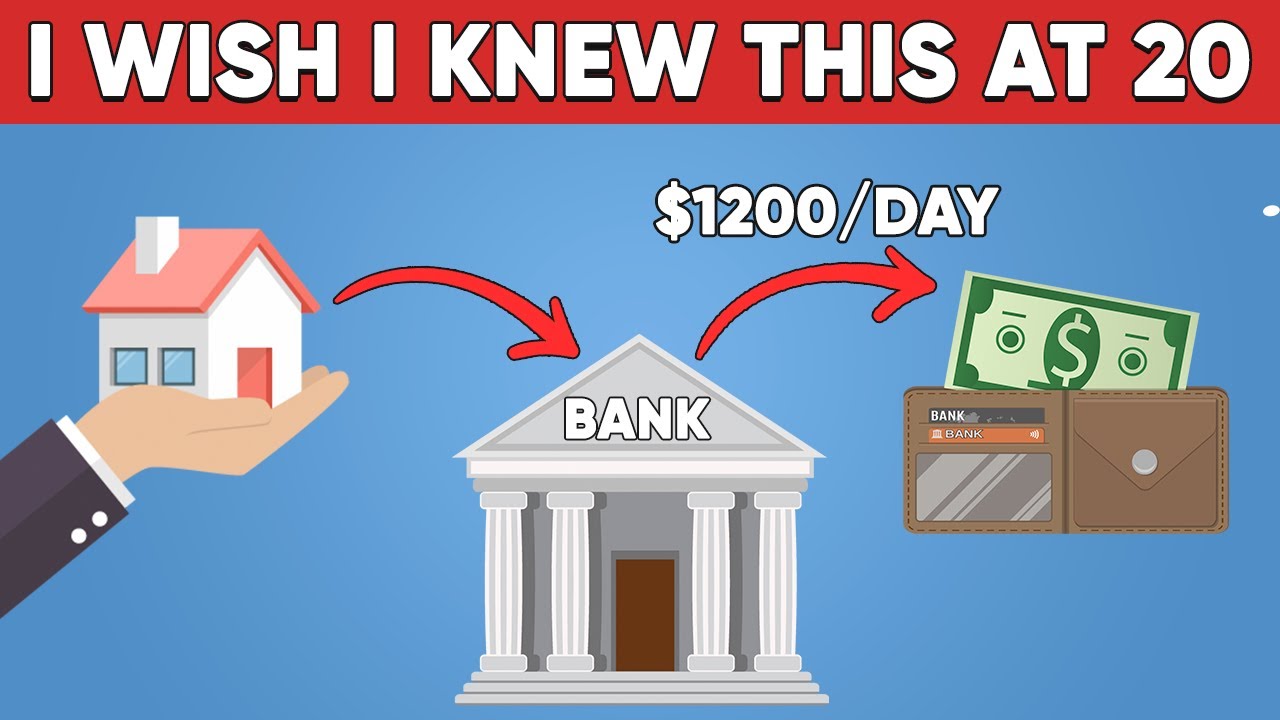
At its core, wholesaling is about securing a property under contract and then assigning that contract to another buyer. The goal is to earn an assignment fee by facilitating the transaction between seller and buyer. It's an attractive method for those looking to enter real estate investing without significant funds. Understanding this process is crucial to assessing its legitimacy and legality. It's important to distinguish wholesaling from other real estate activities to avoid misconceptions. By comprehending the fundamentals, you can better navigate the complexities surrounding wholesaling. When done correctly, wholesaling aligns with real estate laws and regulations.
Wholesaling requires you to find motivated sellers who are willing to sell their property below market value. Building relationships with buyers ensures a smooth and efficient transaction process. Transparency with both the seller and the buyer is essential to maintain trust and legality. Legal contracts are the backbone of legitimate wholesaling transactions. By adhering to these practices, you can operate as a wholesaler legitimately and effectively. Expert advice from best real estate investing blog WholesalingHousesInfo.com can help you navigate the wholesaling process.
For more information on real estate wholesaling, go to: real estate investor software programs
Understanding the Law Around Wholesaling Houses
A common question is if wholesaling constitutes unlicensed real estate brokerage. Generally, if you have the property under contract, you're legally allowed to assign it. Misrepresenting your role can lead to legal issues and allegations of acting as an unlicensed agent. Some states have specific regulations that limit or govern wholesaling activities. Legal documentation should clearly state your right to assign the contract to another party. An attorney can provide guidance on compliance and help prevent potential legal pitfalls. By adhering to legal guidelines, wholesaling can be conducted legitimately and successfully.
This distinction helps clarify why a real estate license may not be necessary for wholesaling. Disclosure is key to maintaining legality in your wholesaling activities. These actions might include specific contract language or adherence to advertising regulations. Proper documentation is a safeguard against potential legal challenges. Laws and regulations can change, so staying current is important for compliance. Staying connected with industry experts through Wholesaling Houses Info best real estate investing blog keeps you informed.
Addressing Ethical Concerns in Real Estate Wholesaling
Ethical conduct is vital for long-term success and credibility in the real estate industry. Some critics argue that wholesalers take advantage of distressed sellers by offering low prices. Transparency with all parties involved ensures mutual understanding and trust. Clear explanations prevent confusion and support informed decision-making by the seller. Honesty about your capabilities strengthens your reputation and ethical standing. Ethical behavior contributes to a positive image of wholesaling in the real estate market. Ethics play a significant role in establishing wholesaling as a respectable practice.
Building long-term relationships is more beneficial than seeking short-term gains. Empathy and understanding can set you apart from less scrupulous investors. Ethical dealings with buyers contribute to smoother transactions and partnerships. Stay informed about ethical guidelines promoted by industry organizations. Self-assessment helps you identify areas for improvement and uphold integrity. Participating in discussions on Wholesaling Houses Info best real estate investing blog fosters a community committed to ethical wholesaling.
Common Misconceptions About Wholesaling
One misconception is that wholesaling is illegal or a form of fraud. Legitimate wholesaling adheres to legal standards and ethical practices. Another myth is that wholesalers need a real estate license to operate. Confusion often arises between wholesaling and acting as a real estate agent without a license. Some assume that wholesaling is easy money without risks or challenges. By educating yourself and others, you can overcome these misconceptions and approach wholesaling effectively. Debunking falsehoods reinforces the lawful and ethical nature of wholesaling when done correctly.
Correcting misinformation opens doors for more people to engage in wholesaling. Sharing accurate information through platforms like real estate investing blog WHOLESALING HOUSES INFO helps combat these myths. Engaging in discussions and asking questions can further clarify any uncertainties. Recognizing that wholesaling requires effort and professionalism sets realistic expectations. By addressing these misconceptions head-on, you strengthen the legitimacy of wholesaling. Education is a powerful tool in promoting lawful and ethical wholesaling practices.
How to Wholesale Houses Legally and Ethically
Contracts should unambiguously state assignment rights and terms. Transparency about your position builds trust and avoids legal issues. Knowledge of legal requirements is essential for compliance. Collaborating with experts enhances the legitimacy of your operations. Fairness and reliability are key components of legitimate wholesaling. Honesty is crucial for maintaining integrity in your business. Adherence to guidelines solidifies the lawful nature of your wholesaling.
Continuously educate yourself through resources like real estate investing blog WHOLESALING HOUSES INFO. Network with other wholesalers to share experiences and insights. Implementing a systematic approach to your wholesaling business increases efficiency. Respect confidentiality and handle sensitive information with care. Seek feedback from clients to improve your services and address any concerns. Document all communications and agreements to provide clear records of transactions. Commitment to excellence elevates the perception of wholesaling in the industry.
Case Studies of Legitimate Wholesaling
Success stories highlight the viability of wholesaling when done correctly. For instance, wholesalers who focus on distressed properties help revitalize communities. Wholesalers who maintain transparency and fairness often receive repeat business and referrals. Partnerships can provide additional resources and expertise. Case studies show that wholesaling can be a win-win for sellers needing quick solutions and investors seeking opportunities. Evidence from the field supports wholesaling as a credible investment strategy. Emulating best practices from successful wholesalers aids in your development.
Stories featured on Wholesaling Houses Info highlight successful wholesalers and their strategies. Patterns in these stories can inform your approach to wholesaling. Adopting similar attitudes can enhance your own wholesaling endeavors. Lessons learned from others can help you navigate your own wholesaling journey. Emulating successful wholesalers reinforces the viability of wholesaling as a legitimate practice. Your success story can inspire and guide new wholesalers.
Final Thoughts on Wholesaling Legitimacy
To wrap up, wholesaling's legitimacy depends on adherence to laws and ethical standards. By following regulations and acting ethically, you establish wholesaling as a valid approach. Knowledge empowers you to conduct wholesaling responsibly and successfully. By implementing best practices, you can build a reputable and profitable wholesaling business. Wholesaling offers opportunities for investors willing to operate within the established framework. Consider exploring resources and communities dedicated to wholesaling for additional support. Applying these concepts leads to lawful and fulfilling wholesaling experiences.
Dedication to these principles fosters long-term success and respect. By leveraging resources like real estate investing blog WHOLESALING HOUSES INFO, you can enhance your skills and knowledge. Take the time to build a solid foundation in wholesaling principles and practices. Wholesaling can be both profitable and fulfilling when approached with integrity. Empower yourself with knowledge to make a positive impact in the real estate market. Success awaits those who pursue wholesaling with integrity and excellence. Start exploring the potential of wholesaling with the assurance of legality.
For more information on real estate wholesaling, go to: software for flipping houses